


There’s a moment, usually late at night, when you’re casually looking at birthday party options and suddenly realise you’ve wandered into the financial equivalent of booking a weekend in Barcelona.
Soft play. Trampoline parks. Bowling. Laser tag. All of them smiling politely at you while nudging £25 to £30 per child, minimum numbers firmly in place, and a final bill that comfortably drifts into “several hundred quid” territory. You tell yourself it’s worth it because it takes the hassle away, then you arrive on the day and watch a group of children pick at lukewarm chips while you quietly wonder how something so expensive can taste so relentlessly average.
It’s no surprise many parents feel stuck. You want to make birthdays feel special, but equally, not everyone has a spare £300 to throw at what is essentially organised chaos with a party bag at the end.
The good news is that there are plenty of ways to do this differently. Not in a “we’ve cut all joy” way, but in a way that still delivers a proper birthday, just without the financial sting.
The quiet pressure to keep up in children’s birthday party planning (and why it’s worth ignoring)
There’s an unspoken arms race with kids’ parties. You go to one that’s big and polished, and suddenly you feel like you need to match it. Then someone else ups the ante, and before long we’re all collectively pretending this is normal.
It isn’t.
Most parents are doing mental arithmetic the whole time. Most would welcome something simpler if it still felt fun. Letting go of the idea that you need to outdo anyone else is probably the biggest saving you’ll make, both financially and mentally.
Because when you strip it back, children don’t measure a birthday by cost per head. They measure it by whether they had a good time.
What actually makes a great kids party
It’s rarely the venue.
It’s being with their mates, a bit of freedom to run around, something mildly chaotic happening, and a moment where they feel like the main character. Cake helps. Cake always helps.
Once you accept that, the options open up quickly.
Simple parties that still feel like a proper celebration
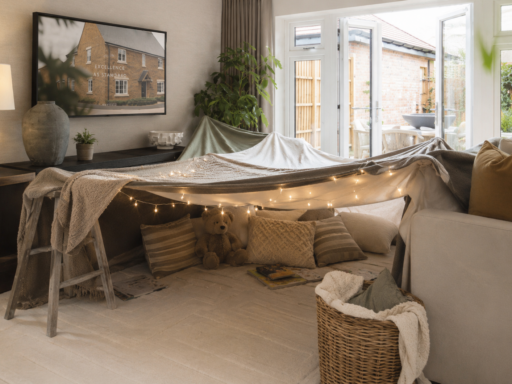
Just have friends over and keep it simple
This one feels almost too obvious, which is probably why it gets overlooked.
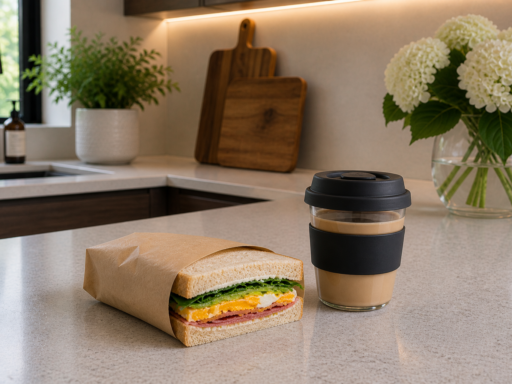
A handful of friends. A few sandwiches. Crisps. Cake. Some loosely organised games or just letting them get on with it. It doesn’t need to be a full production schedule.
The surprising thing is how well this works. Kids are often perfectly happy just being together without being funnelled through a tightly managed “experience”. In fact, they’re sometimes happier because no one is telling them when to jump, sit, eat or leave.
It’s also the easiest way to keep costs low while still making it feel like a birthday rather than a casual playdate.
Bowling and pizza, without the “package”
There’s something in keeping a sense of occasion but ditching the official party bundle.
Take a small group bowling, then head to somewhere like PizzaExpress for food. No balloons tied to chairs, no fixed menus, no stopwatch timing your table slot. Just a group of kids doing something fun together followed by pizza, which is, to be fair, a universally accepted currency of happiness.
Because you’re not paying for the “party package”, the cost is far more controllable. You decide the numbers, you decide the food, and you avoid paying a premium for the word “birthday” being attached to everything.
The “use the money differently” option
This is the one that feels slightly radical until you try it.
Instead of a party, ask your child what they’d actually want if the same money was spent differently. Not every child will go for it, but some absolutely will.
The Younger One did exactly this. Rather than a party, we used the budget for a day out at CBeebies Land as a family. Proper day out. No time pressure. No trying to herd ten children through a schedule. Just a full day of rides, snacks and general excitement.
And honestly, it was better. For him and for us.
It turns the birthday into an experience rather than an event, and for some children, that lands much more meaningfully than two hours in a loud venue followed by rushed cake.
Small changes that save surprising amounts
Rethink the cake
Custom cakes are brilliant. They’re also often £50 to £85 or more, which is a lot for something that gets demolished in about six minutes.
A very simple alternative is buying a plain iced Victoria sponge from somewhere like M&S and decorating it yourself. Add a few personalised toppers, maybe some themed bits, and suddenly you’ve got something that looks the part for around £20.
The children do not run a structural audit on cakes. They see something colourful with their name on it and assume it’s elite.
Keep numbers tight
This is the lever most people don’t want to pull, but it makes the biggest difference.
Ten children instead of fifteen doesn’t just reduce cost, it reduces chaos. The whole thing becomes more manageable, more enjoyable, and far less like you’re hosting a small festival.
Food does not need to be impressive
There’s a temptation to overthink the food, as if someone from a catering awards panel might walk in unannounced.
Sandwiches. Pizza. Crisps. Fruit. Cake.
That’s the menu. No one is disappointed. No one is asking for a tasting menu. And crucially, you haven’t spent a small fortune on food that ends up half eaten.
Ditch the plastic-heavy party bags for kids parties
This one quietly adds up, both in cost and guilt.
Those pre-filled party bags full of tiny plastic bits tend to have a life expectancy of about six minutes before they’re either broken, forgotten or embedded somewhere in your house where you’ll find them with your foot at 6am.
They also add £3 to £5 per child for something that rarely gets used and inevitably ends up in landfill.
If you want to keep the gesture, keep it simple:
- A book
- A small craft item
- A bit of decent chocolate
- Or skip them entirely and no one will notice
It’s one of the easiest ways to save money while also feeling slightly better about what you’re not sending home in a crinkly bag.
The party planning trade-off, honestly
The only real difference between a £300 party and a £100 one is not the child’s enjoyment. It’s who is doing the organising.
The more you spend, the more you outsource. The less you spend, the more you orchestrate.
There is no right answer. Sometimes paying for ease is exactly what you need, especially when life is already busy enough. But it’s worth knowing that “cheaper” does not mean “worse”. In many cases, it ends up being more relaxed, more personal, and oddly more memorable.
A final thought for anyone quietly stressing about kids birthday parties
Most parents are trying to strike the same balance. You want to celebrate your child properly, but you also have bills, responsibilities and a general awareness that money doesn’t grow on the ornamental grass you forgot to water.
Doing a birthday on a budget is not cutting corners. It’s choosing what actually matters and letting go of the rest.
And if the end result is a group of kids laughing, a slightly chaotic house, and a cake that’s been enthusiastically attacked, you’ve probably nailed it.